Every few years the housing market rewrites the rules, and buyers who learned the last set of rules show up unprepared for the new ones. Right now, the rules have changed more than they have at any point in a generation. The buyers who understand that are finding deals. The ones who do not are making expensive mistakes.
Home prices at the national level have remained well above their pre-pandemic levels even as sales volume collapsed. The reason is supply. A seller who bought in 2021 at a three percent rate has nowhere affordable to go if they list today, which means the correction that many analysts were expecting simply did not materialize the way the data suggested it should.
Affordability, by the standard measure of what share of median household income goes toward the monthly payment on a median-priced home, is near its worst level since the early 1980s. That is a real problem, and it is not going away quickly. But affordability being stretched does not mean prices are about to fall sharply. What it means, practically, is that the buyer who can close confidently has more leverage than the headline numbers suggest.
 Shop more than one institution, because the spread in rates and costs is real. A 0.25 percent gap between two lenders’ quotes adds up to tens of thousands of dollars over the life of most home loans. Lender fees vary too. Do not compare rate quotes without also comparing origination fees, points, and closing costs.

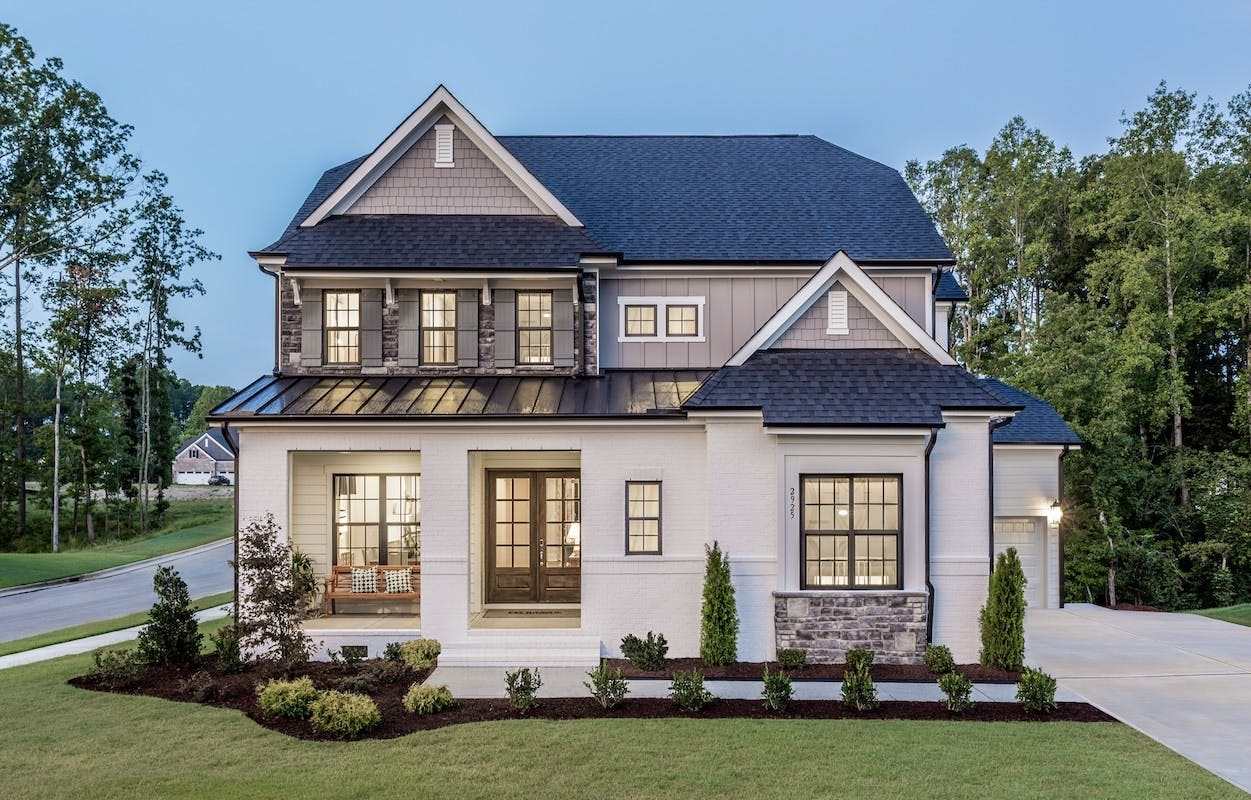 A seller with a specific need will sometimes take less money from a buyer who gives them what they actually want. A longer closing window, a shorter inspection period, a larger earnest money deposit, or willingness to do a rent-back period can all tip a deal in your favor without you spending an extra dollar on the purchase price.
 Real estate is illiquid. Buying and selling inside two years is almost always a money-losing proposition once you account for the full cost of both transactions. None of that means do not buy. It means be honest about your time horizon before you commit.
Real estate rewards preparation more than it rewards timing. Nobody consistently calls the top or the bottom of a market, but buyers who show up informed and financially ready close deals in every cycle. Start by browsing current homes for sale and market resources to build a realistic picture of your options.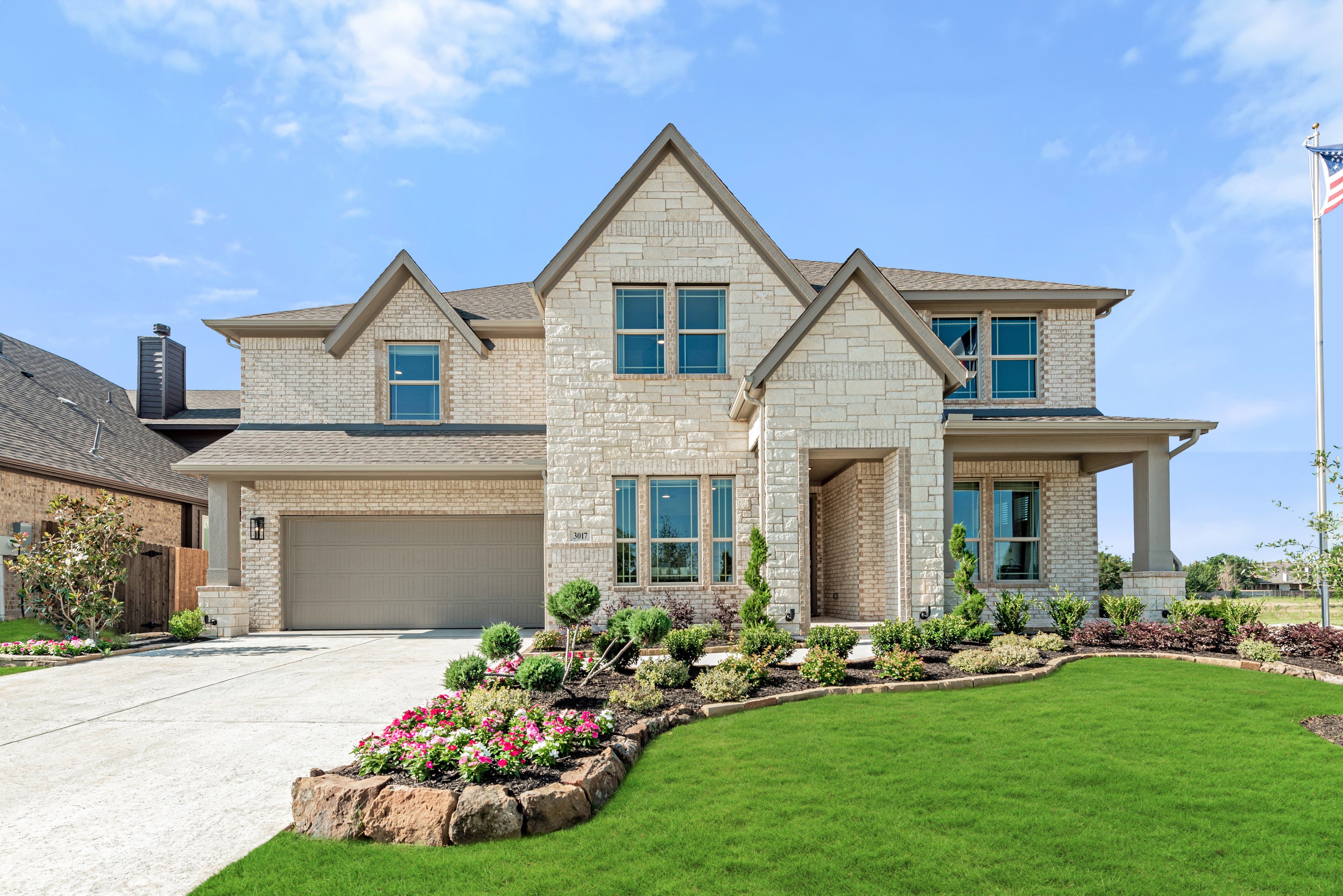
No listing found.
Compare listings
Compare